
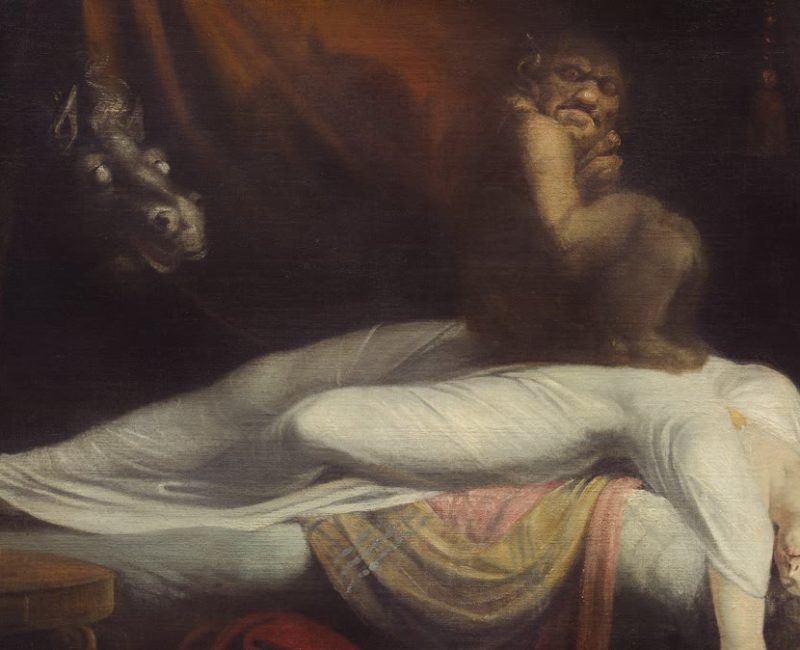
It’s 2 a.m. and your boss sent a two-word email: “Call me.” By sunrise you’ve been fired, lost the apartment, and explained the whole thing to your parents. At 9:05 you call. She wants to know where you saved a file.
Nothing happened. And yet you lived through the entire disaster, in detail, for seven hours.
Seneca described this exact trap almost two thousand years ago, in one line that now gets shared millions of times a year:
“We suffer more often in imagination than in reality.”
Seneca, Moral Letters to Lucilius, Letter 13.4
Most quote sites stop there. But the line is one sentence from a longer letter, and the rest of that letter is the useful part: a step-by-step method for telling real threats from imagined ones. Here’s the whole thing, what it actually means, and how to use it tonight.
Where the quote comes from
Lucius Annaeus Seneca (c. 4 BC – AD 65) was a Roman statesman, playwright, adviser to the emperor Nero, and one of the three great Roman Stoics, alongside Epictetus and Marcus Aurelius. Late in life he wrote 124 letters to his younger friend Lucilius, a Roman official in Sicily. They read less like philosophy lectures and more like a mentor texting a friend who’s going through a hard time.
Letter 13 is titled On Groundless Fears. Lucilius has already been through real setbacks, and Seneca opens by praising him for it, comparing him to a boxer who “has seen his own blood” and still gets back up. Then he pivots: you’ve proven you can handle real blows. Now let’s deal with the imaginary ones.
Here is the full sentence, in Richard Gummere’s 1917 translation:
“There are more things, Lucilius, likely to frighten us than there are to crush us; we suffer more often in imagination than in reality.”
Letter 13.4
And in Seneca’s Latin:
Plura sunt, Lucili, quae nos terrent quam quae premunt, et saepius opinione quam re laboramus.
A detail most translations lose
The word translated as “imagination” is opinione: opinion, judgment, belief. Seneca isn’t only saying “you daydream about bad things.” He’s saying we suffer from our judgments about events more than from the events themselves.
That’s core Stoic doctrine. Epictetus put it bluntly: “Men are disturbed not by things, but by the opinions about things” (Enchiridion 5). Seneca’s version is gentler, and he admits as much in the very next line: “I am not speaking with you in the Stoic strain but in my milder style.” The hardline Stoics would call your troubles “unimportant and beneath notice.” Seneca, the realist, just wants you to stop suffering in advance.
The three ways your mind makes things worse
This is the part almost nobody quotes. In the next paragraph, Seneca breaks imaginary suffering into three separate mistakes:
“Some things torment us more than they ought; some torment us before they ought; and some torment us when they ought not to torment us at all. We are in the habit of exaggerating, or imagining, or anticipating, sorrow.”
Letter 13.5
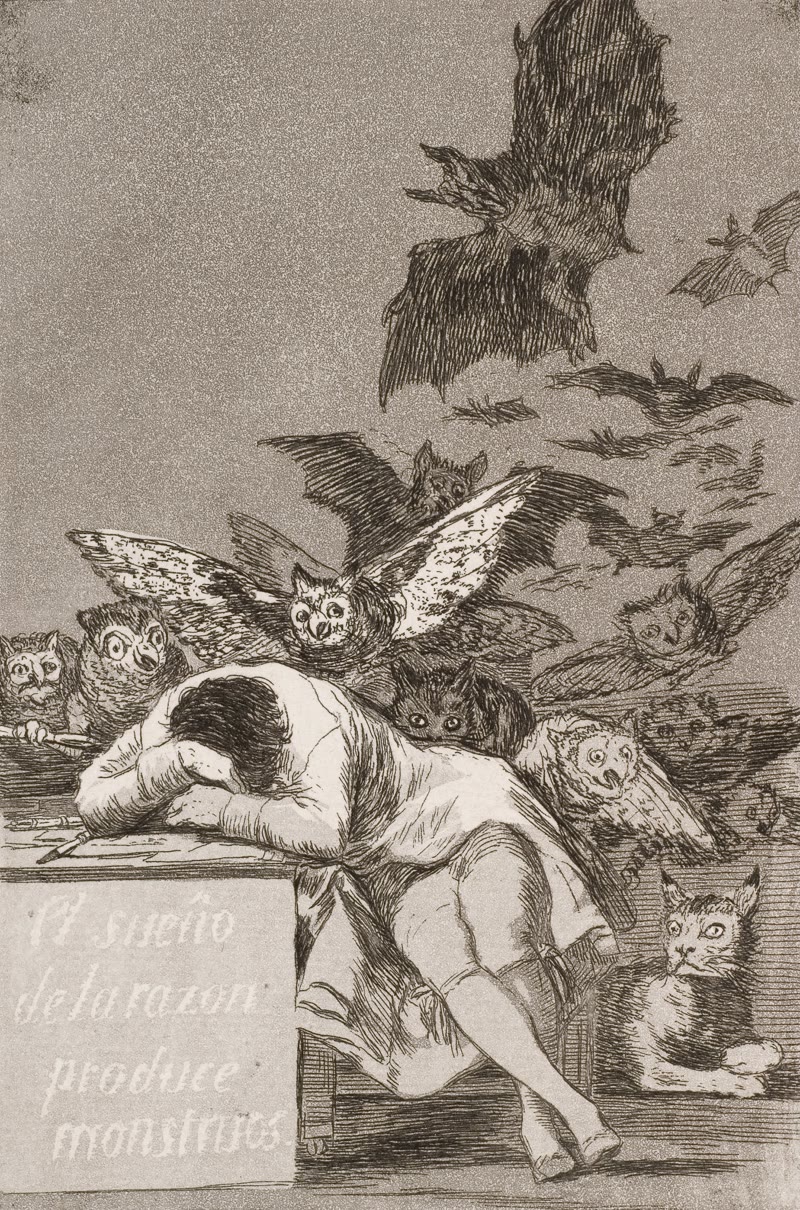
Each one needs a different fix, so it’s worth learning to tell them apart.
1. Exaggerating: “more than they ought”
Something real happened, but you’ve inflated it. A bad review becomes “my career is over.” A tense conversation becomes “they hate me.” The event is real; the size is fake.
The fix: shrink it back to its true dimensions. Describe it in plain, boring words, like a police report: “My manager said the draft needs more data.” Not “I got destroyed in that meeting.”
2. Imagining: “when they ought not at all”
Nothing happened. You invented it. Seneca describes the mind that “fashions for itself false shapes of evil when there are no signs that point to any evil; it twists into the worst construction some word of doubtful meaning” (13.12). The unanswered text. The coworker who didn’t say good morning. The “Call me.”
The fix: ask for the evidence. What actually happened, not what you think it means?
3. Anticipating: “before they ought”
The trouble might be real, but it hasn’t arrived yet, and you’re already living inside it. Layoffs are rumored. The test results come back Friday. Seneca’s answer is one of the best lines in the letter:
“What does it avail to run out to meet your suffering? You will suffer soon enough, when it arrives; so look forward meanwhile to better things.”
Letter 13.10
The fix: separate the preparation from the suffering. Preparing for a possible layoff (updating your résumé, saving money) is useful. Feeling fired for three weeks before a decision that may never come is not. Do the first, refuse the second.
The dust-cloud test
Seneca gives a memorable image of how fear spreads:
“We do not put to the test those things which cause our fear; we do not examine into them; we blench and retreat just like soldiers who are forced to abandon their camp because of a dust-cloud raised by stampeding cattle.”
Letter 13.8
An army sees dust on the horizon, assumes an enemy is coming, and abandons its camp. It was cows.
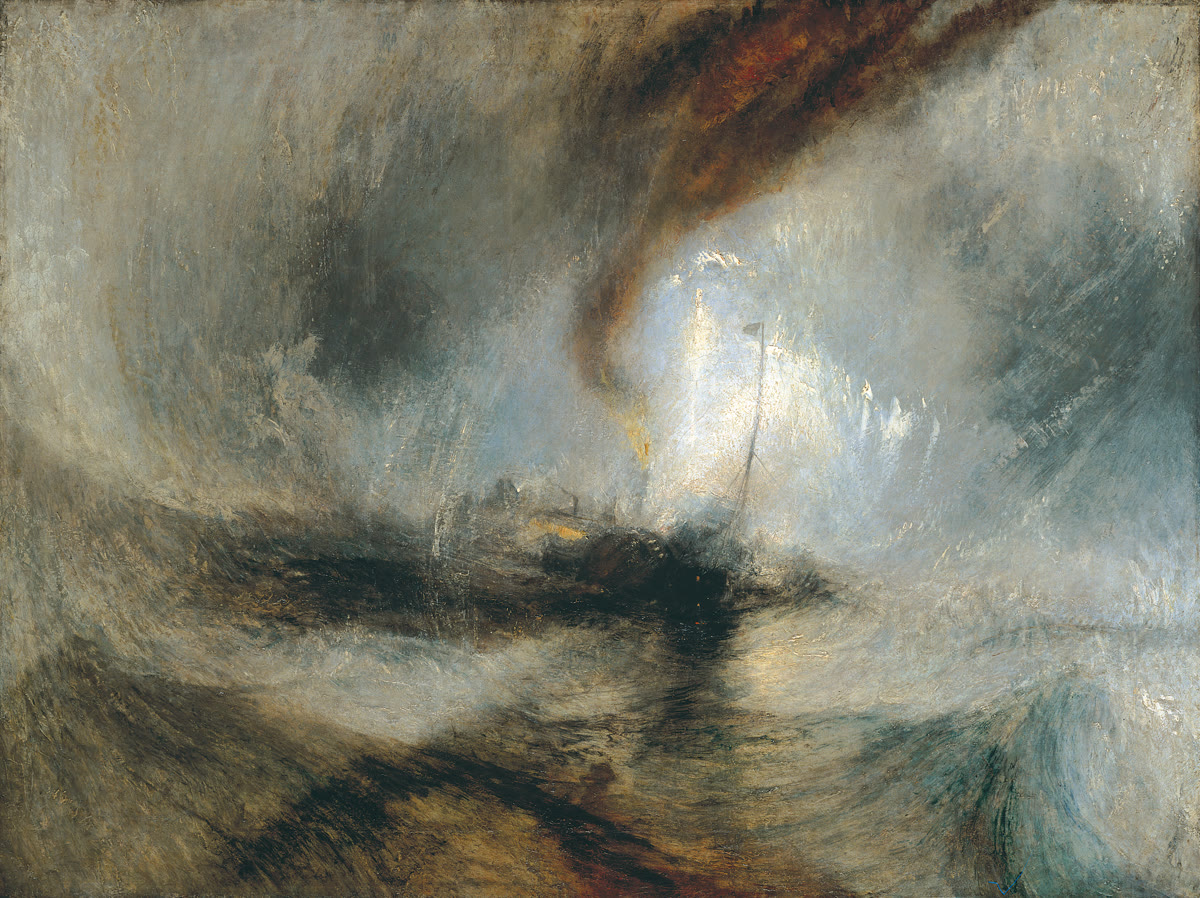
Most of what keeps you up at night is a dust cloud. A headline, a rumor at work, a vague symptom you searched online at midnight. The Stoic move isn’t to pretend the dust isn’t there. It’s to walk over and look before you pack up the camp.
Seneca even explains why rumors hit harder than real bad news: “truth has its own definite boundaries, but that which arises from uncertainty is delivered over to guesswork and the irresponsible license of a frightened mind” (13.9). A real problem has edges. An imagined one grows to fill whatever space you give it.
Seneca’s rule for telling real from imaginary
Lucilius asks the obvious question: “How am I to know whether my sufferings are real or imaginary?” Seneca answers with a simple rule (13.7): we are tormented either by things present, by things to come, or by both.
- If it’s present: check your actual situation. Are you free? Healthy? Uninjured? “To-day there is nothing wrong with it.” Deal with what’s real, at its real size.
- If it’s to come: first ask whether your proof is sure (13.8). Most of the time it isn’t. Then remember that time is on your side: “How often has the unexpected happened! How often has the expected never come to pass!” (13.10).
And when you genuinely can’t tell which way things will go, Seneca gives permission most people never give themselves:
“Whenever all the elements are in doubt, decide in your own favour; believe what you prefer.”
Letter 13.13
That isn’t naive optimism. It’s arithmetic. If the outcome is uncertain, pessimism doesn’t make you more accurate. It just makes you suffer twice.
The 5-minute exercise: a fear audit
Here is Letter 13 turned into something you can do on paper tonight. Take whatever is looping in your head and run it through these five questions:
- Write it as a fact. One sentence, no adjectives. (“I haven’t heard back about the job in 10 days.”)
- Present or future? Is this happening now, or might it happen? If it’s future, write “not yet” next to it.
- Which of the three? Am I exaggerating something real, imagining something that isn’t there, or anticipating something that hasn’t arrived?
- Is my proof sure? List the actual evidence. Cross out anything that is a guess, a rumor, or “a feeling.”
- What’s the next useful action? One step you can take today. If there isn’t one, the Stoic answer is to set it down until there is.
You’ll notice that most fears don’t survive question 4. The ones that do usually become a to-do item in question 5, and a to-do item is much easier to carry than a dread.
If you like this kind of practice, it pairs well with the Stoic method for overthinking and a short Stoic morning routine.
Here’s the 45-second version, if you want to send it to someone who’s up at 3 a.m.:
What this quote does not mean
Two common misreadings are worth clearing up.
It doesn’t mean your pain isn’t real. Seneca is writing to a friend who has already survived real blows, and he respects them. The letter is about the extra layer of suffering we add on top: the rehearsal, the replay, the worst-case spiral. Grief, illness, and loss are real. Pre-living them before they happen is optional.
It doesn’t mean “never think about the future.” Elsewhere Seneca recommends deliberately imagining hardship as training, a practice later called premeditatio malorum. The difference is intent and control. Premeditation is a drill you run on purpose, calmly, to prepare. Anxiety is the same film playing on repeat without your permission. One builds you; the other drains you.
Why it still hits in 2026
Seneca’s soldiers panicked at one dust cloud. You get hundreds a day: notifications, breaking news, group chats, a feed designed to make every uncertainty feel urgent. His diagnosis (“we let ourselves drift with every breeze; we are frightened at uncertainties, just as if they were certain,” 13.13) reads like a description of doom-scrolling.
The fix is the same one he gave Lucilius: stop, look at the dust, and ask what’s actually there. Most of the time, it’s cows.
Frequently asked questions
Who said “We suffer more often in imagination than in reality”?
Seneca the Younger, the Roman Stoic philosopher, in his Moral Letters to Lucilius, Letter 13, section 4. Quote sites often post it without a source, or credit it to other writers, but the original is Seneca’s.
What is the Latin original?
“Plura sunt, Lucili, quae nos terrent quam quae premunt, et saepius opinione quam re laboramus.” A closer literal translation: “There are more things that frighten us than crush us, and we suffer more often in opinion than in reality.”
What does “we suffer more in imagination than in reality” mean?
That most of our distress comes from how we judge and anticipate events, not from the events themselves. Seneca names three habits behind it: exaggerating real problems, imagining problems that don’t exist, and anticipating problems that haven’t arrived.
How do Stoics deal with anxiety about the future?
They separate what is present from what is only possible, check whether the evidence for a feared outcome is actually solid, prepare practically for what’s likely, and refuse to suffer in advance for what hasn’t happened. When the outcome is truly uncertain, Seneca advises deciding in your own favour.
Where can I read Letter 13 in full?
Richard Gummere’s 1917 translation is in the public domain and free on Wikisource. The whole letter takes about ten minutes to read, and it’s worth it.
Epic Stoic publishes one deep-dive on Stoic philosophy every week: the original texts, what they meant, and how to use them. Watch the short version on our YouTube channel.
